I'm Anwesha, your user-first engineer girl who went from shipping C# APIs and writing Python scripts to building AI-powered analytics pipelines from 0 to 1. I care about the impact of when AI automation is needed and the tools and stack to build them.

I started my career shipping C# APIs on the .NET framework and writing Python scripts to automate backend systems. While fixing a production level bug (a simple regex mismatch!) at dawn, I realized I cared more about why we were building things than how. That shift from engineering to product management wasn't a pivot. It was an evolution. I wanted to understand the full picture: the data, the user, and the business case behind every decision.
What makes me different? I don't just spec products. I build them. I've deployed landing pages, set up GA4 tracking, written API integrations, and built dashboards with synthetic data when the real data wasn't clean enough. I believe the best product people understand the stack they're building on.
When I'm not building, you'll find me exploring an entire world of cuisine, getting heavily influenced by social media to try yet another matcha spot (yes, I wrote an entire essay about it), and having an absolute blast 3x-ing my productivity with AI tools and automation.


Not mockups. Not hypotheticals. Real systems, deployed and running.
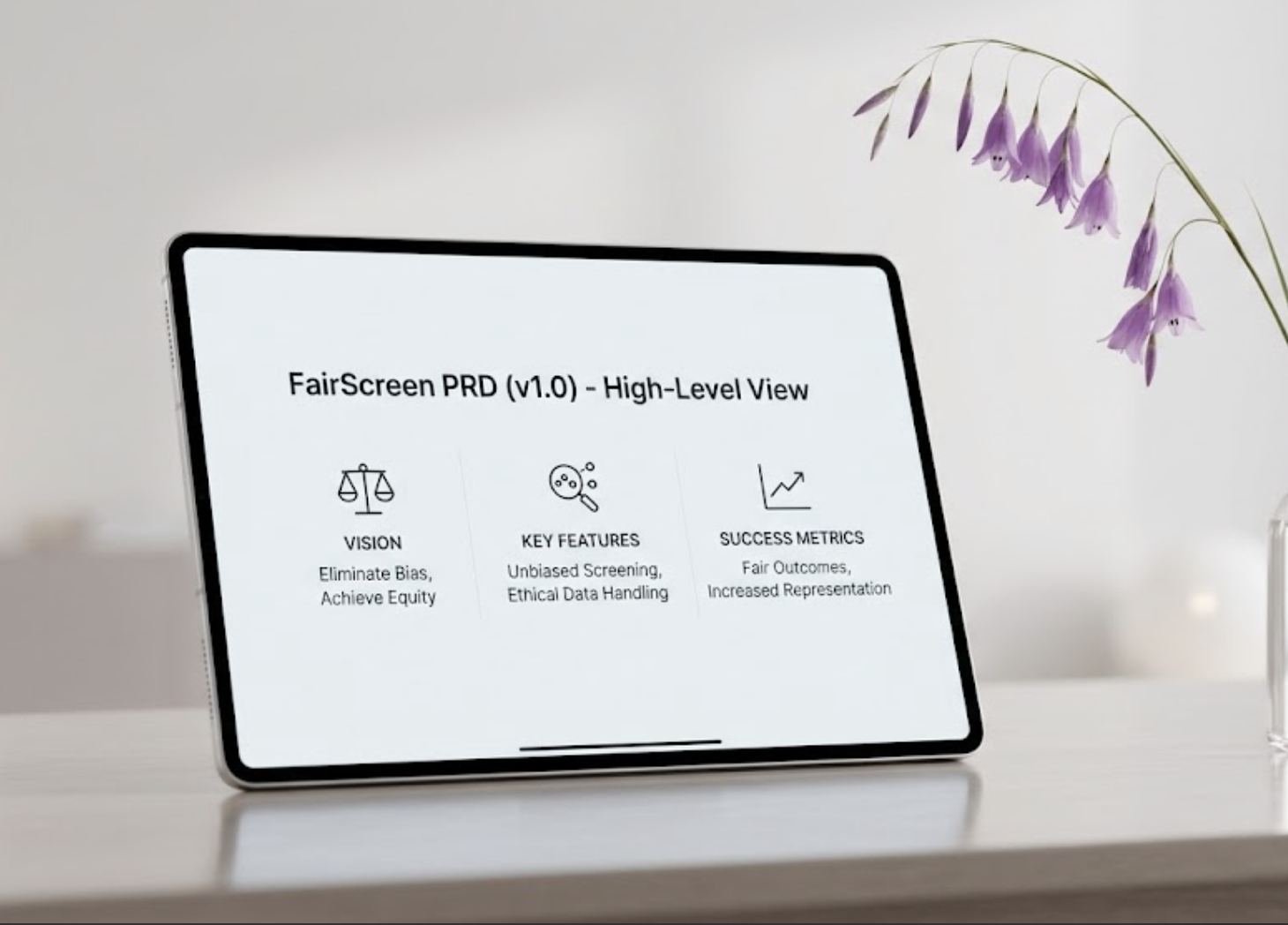
An end-to-end AI-powered marketing analytics dashboard built around TalentFlow, a B2B SaaS talent assessment platform modeled after companies like TestGorilla. From a custom landing page with GA4 + GTM tracking, to a 21,346 row synthetic dataset, to an AI insights pipeline that turns Claude API outputs into structured Looker Studio tables.

An AI-powered payment recovery workflow. Stripe captures payment failures, n8n orchestrates webhooks, Claude API performs risk analysis and drafts recovery emails, HubSpot manages contacts, and Slack gets real-time alerts. End-to-end automation for revenue recovery.

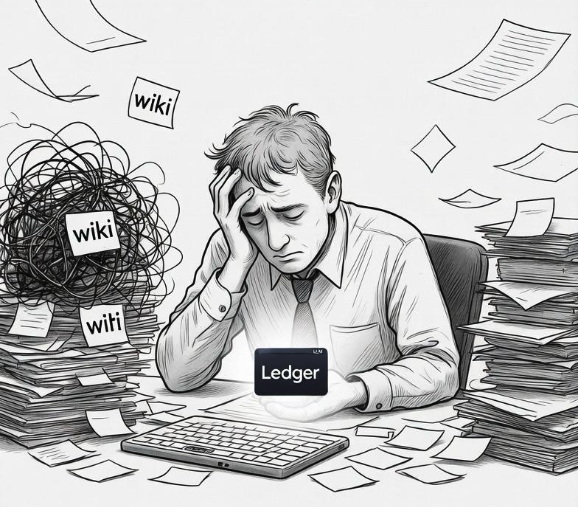
Inspired by Andrej Karpathy's LLM Wiki pattern. Ledger compiles raw sources from Visa, Mastercard, and Stripe into a structured, interlinked knowledge base for payments teams. Unlike static wikis or basic RAG, Ledger uses Claude API to incrementally compile, cross-reference, and maintain a living wiki where every concept links to every related rule, code, and process. The result: a payments ops person, compliance lead, or PM can trace "this Visa mandate affects this payment flow, which triggers this compliance requirement, which connects to these chargebacks" in seconds.

A Tableau storybook analyzing domestic and international gross earnings of American films over time using data wrangling techniques. Explores global trends, director patterns, and the rise of movie popularity across countries and languages.

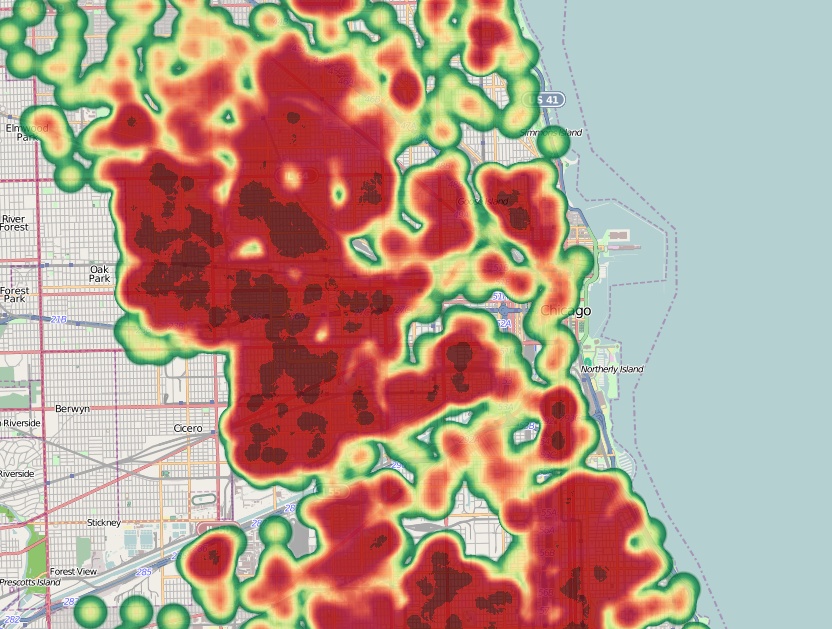
Exploratory analysis of 2021 Denver crime statistics identifying recurring patterns and trends, with a focus on understanding the impact of COVID-19 and the MeToo movement. Used Adaboost classifier model to estimate likelihood of potential crimes using real-time locations.

A SQL database system designed for a coffeehouse chain, handling inventory management across multiple locations with SMS gateway integration for personalized customer engagement and targeted advertisement delivery.

I don't hand off specs and walk away. I stay close to the data, close to the tools, and close to the outcome.


Grace Hopper Celebration attendee in Orlando. AI Summit attendee in NYC. Always learning, always connecting, always in the front row.
Been to every hidden and mainstream skyline view found over the Internet. Yes, the city has the world's best pizza. And yes, standing in line for 40 minutes at a trending ice cream shop is absolutely a hobby.
I fell down the matcha rabbit hole and did what any reasonable person would do. Wrote an entire Medium essay about it. Part love letter, part cultural deep dive.
Read on Medium →


I'm open to product roles, marketing ops opportunities, and conversations about data, AI, and building things that matter.